Hurricane Season Preparedness – Are You Ready?
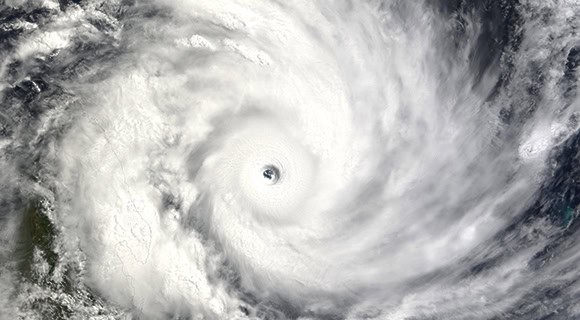
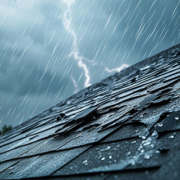
When hurricane season approaches, many homeowners feel uncertainty and stress about potential damage to their property. High winds, heavy rain, and flying debris can quickly turn a safe home into a costly disaster zone. Without proper preparation, even a single storm can lead to roof failure, water intrusion, and long-term structural issues. Understanding how to prepare in advance can significantly reduce risk and help protect your home, belongings, and family.
New Image Roofing Florida gathered information about hurricane season preparedness to help homeowners stay informed and ready. This article explains when hurricane season begins and ends, how storm categories differ, what damage each level can cause, and how to access emergency resources. It also outlines evacuation strategies, essential supplies for a Go Bag, and preventive roof maintenance solutions that can strengthen your home before severe weather arrives.
Key Takeaways for Hurricane Season Preparedness
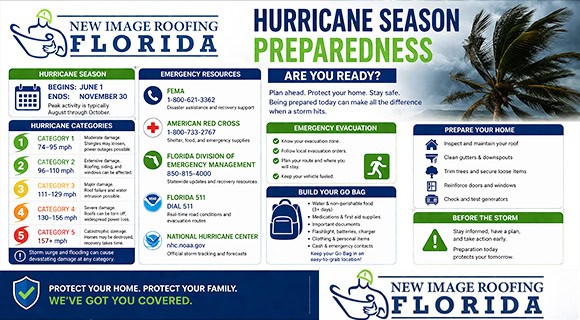
Preparing for hurricane season requires a combination of planning, awareness, and proactive maintenance. One major takeaway is that timing matters. Hurricane season in Florida typically begins June 1 and runs through November 30, with peak activity occurring between August and October. Waiting until a storm is already approaching limits your ability to secure your property or gather supplies.
Understanding storm categories helps homeowners assess risk levels. Hurricanes are classified using the Saffir-Simpson scale, which ranks storms from Category 1 through Category 5 based on sustained wind speeds. Each category presents increasing levels of danger (lower category storms can cause significant damage) when combined with flooding or storm surge.
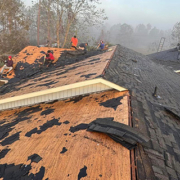
Roof condition plays a critical role in storm resilience. Loose shingles, weak flashing, or aging materials can fail under pressure from strong winds. Regular inspections and maintenance improve durability and reduce the likelihood of water intrusion. Investing in preventive measures often costs far less than emergency repairs after a storm.
Emergency planning extends beyond property protection. Families should establish evacuation routes, communication plans, and supply kits. Well-prepared Go Bags ensure access to essential items such as food, water, medication, and important documents during evacuation or extended power outages.
Access to reliable emergency resources is another key factor. Knowing which agencies provide assistance allows for a faster recovery after a storm. Federal and state programs offer support for temporary housing, debris removal, and financial assistance for repairs.
Finally, working with experienced professionals enhances preparedness. Roofing specialists can identify vulnerabilities and recommend solutions tailored to your home. Taking action before hurricane season begins ensures your property is better equipped to withstand severe weather conditions.
Understanding Hurricane Season
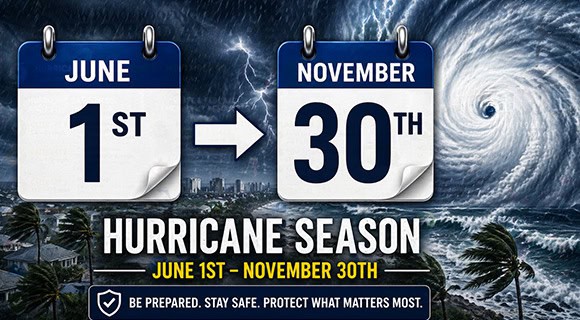
Hurricane season in Florida officially begins June 1 and ends November 30. During this period, warm ocean temperatures and favorable atmospheric conditions create an environment where tropical systems can develop and intensify. While storms can occur at any point during this timeframe, peak activity typically occurs between late summer and early fall.
Early-season storms often form in Gulf regions, while later-season storms tend to develop in Atlantic waters before moving toward coastal areas. Monitoring weather forecasts and staying informed through reliable sources is essential for timely preparation.
Hurricane Categories and Potential Damage
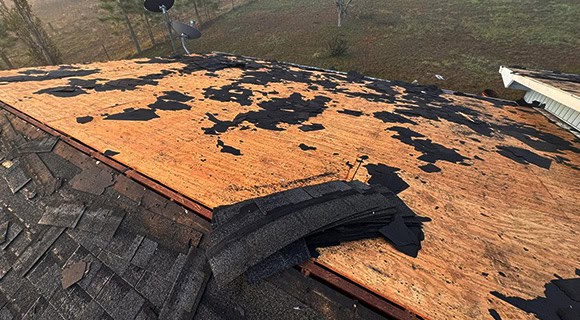
Hurricanes are classified based on sustained wind speed using a five-category scale. Each level represents increasing potential for damage.
Category 1 – Winds 74 to 95 mph
Damage at this level is considered moderate. Roof shingles may loosen or detach, gutters can be damaged, and power outages may occur due to fallen branches.
Category 2 – Winds 96 to 110 mph
Stronger winds can cause extensive damage to roofing materials, siding, and windows. Trees may be uprooted, leaving roads impassable and power loss for several days.
Category 3 – Winds 111 to 129 mph
This level is classified as a major hurricane. Significant structural damage can occur, including roof failure and water intrusion. Many homes may become uninhabitable without major repairs.
Category 4 – Winds 130 to 156 mph
Severe damage is expected. Roof systems can be completely removed, walls may collapse, and widespread power outages can last for weeks. Debris becomes highly dangerous.
Category 5 – Winds 157 mph and higher
Catastrophic damage occurs at this level. Entire structures may be destroyed, and large areas can become unsafe for extended periods. Recovery often requires extensive rebuilding efforts.
Storm surge and flooding can amplify damage across all categories, making preparation essential regardless of storm classification. Watch this video from The Weather Channel to see how roof and home damage increase as a hurricane intensifies.
State and Federal Emergency Resources
Access to emergency support can make a critical difference during and after a hurricane. Several organizations provide assistance for evacuation, shelter, and recovery.
Federal Emergency Management Agency – FEMA
Emergency Assistance: 1-800-621-3362
FEMA provides disaster relief, temporary housing assistance, and financial support for repairs.
American Red Cross (North & Central Florida)
Emergency Assistance: 1-800-733-2767
Offers shelter, food, and emergency supplies during disasters.
Visit this link for the Red Cross in Southern Florida
Follow the American Red Cross on Facebook
Florida Division of Emergency Management
Emergency Information Line: 850-815-4000
Provides statewide updates, evacuation guidance, and recovery resources.
Florida 511 Travel Information System
Dial 511 for real-time road conditions and evacuation routes.
Provides official storm tracking and forecasts to help residents stay informed.
These resources should be saved in advance to ensure quick access during emergencies.
Emergency Evacuations and Go Bag Essentials
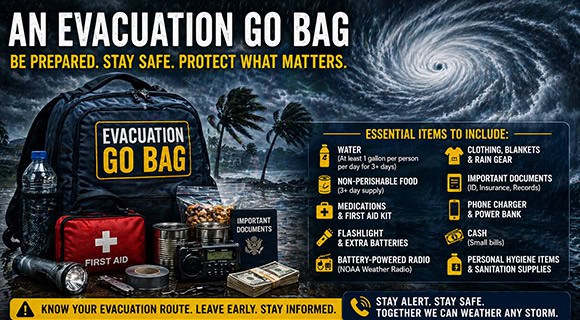
Evacuation planning is a critical component of hurricane preparedness. Local authorities may issue evacuation orders when conditions become dangerous, especially in coastal or flood-prone areas. Ignoring these warnings can place lives at risk.
Homeowners should identify evacuation routes in advance and plan where they will stay, whether with family or friends, or at designated shelters. Fuel vehicles early and avoid waiting until the last minute when traffic and supply shortages increase.
A well-prepared Go Bag ensures that essential items are readily available during evacuation.
Recommended contents include:
- Bottled water and nonperishable food for at least three days
- Prescription medications and basic first aid supplies
- Baby/infant supplies, food/formula, medication
- Pet essentials (including food, water, meds, tags, leash, etc.)
- Important documents such as identification, insurance policies, and medical records
- Flashlights, batteries, and portable phone chargers
- Clothing, blankets, and personal hygiene items
- Cash in small denominations
- Emergency contact list
Keeping this bag in an accessible location allows quick departure when necessary.
New Image Roofing Florida Roof Maintenance Contract
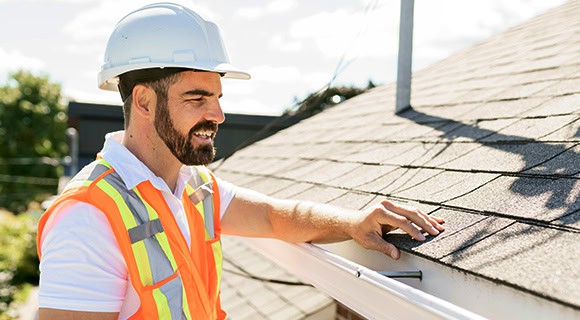
Preventive maintenance is one of the most effective ways to protect your home during hurricane season. New Image Roofing Florida offers roof maintenance contracts designed to identify and address potential issues before they become serious problems.
Regular inspections focus on key areas such as shingles, flashing, vents, and drainage systems. Addressing minor issues early helps prevent water intrusion and structural damage during storms. Maintenance contracts may include debris removal, sealing vulnerable areas, and reinforcing critical components.
A well-maintained roof provides stronger resistance against wind uplift and heavy rain. Investing in routine care reduces the likelihood of emergency repairs and extends the lifespan of the roofing system.
Hire New Image Roofing Florida 352-316-6008
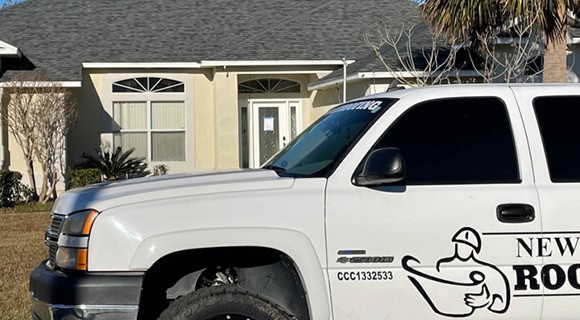
When preparing for hurricane season, working with experienced professionals ensures that your home receives proper attention and care. New Image Roofing Florida provides expert services, including inspections, repairs, and full roof replacements.
Professional roofers understand how to identify vulnerabilities that may not be visible to homeowners. They use high-quality materials and proven techniques to strengthen roofing systems against severe weather conditions.
Hiring a trusted company before hurricane season allows time for necessary improvements without the pressure of approaching storms. This proactive approach enhances safety and reduces stress when severe weather threatens.
Are You Ready for Hurricane Season?
This article explained how to prepare for hurricane season, including understanding when it occurs, recognizing storm categories, and identifying potential damage risks. You also learned about emergency resources, evacuation planning, and essential supplies needed for a Go Bag. Preventive maintenance and professional roofing services play a key role in protecting your home.
Taking these steps leads to increased confidence and safety during hurricane season. A well-prepared home is more resilient against strong winds and heavy rain, reducing the risk of costly damage and ensuring faster recovery after a storm.
Failing to prepare can result in severe consequences. Unsecured roofs, lack of emergency supplies, and poor planning can lead to property damage, financial strain, and safety risks for your family. Acting early provides protection and peace of mind when it matters most.
Central, FL
(352) 316-6008