Roof Adaptations for Florida Homes
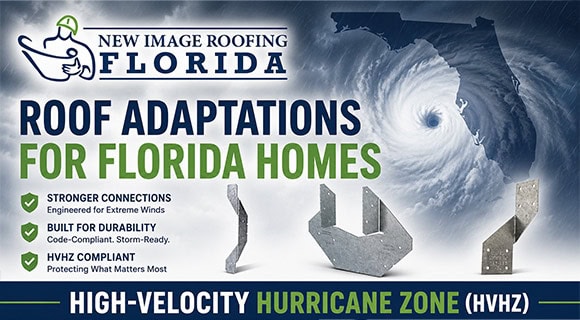
Florida homeowners face roofing challenges that few other states experience. Hurricane-force winds, wind-driven rain, extreme heat, intense UV exposure, and airborne debris can quickly turn a minor roofing weakness into costly structural damage. Choosing a roof that looks attractive is no longer enough. Understanding Roof adaptations for Florida homes helps protect your home, family, and investment while reducing repair costs after severe weather.
New Image Roofing Florida gathered information about residential roofing requirements, Florida building codes, hurricane-resistant roofing systems, and preventive maintenance practices that help homes withstand stronger storms and higher wind speeds. This guide explains important roofing adaptations required throughout Florida and how homeowners can maximize roof performance for many years.
Key Takeaways for Florida Residential Roof Adaptations
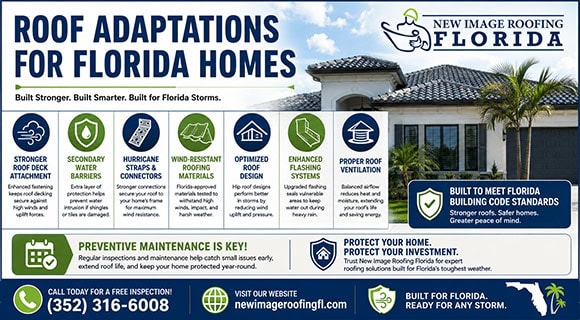
Florida maintains some of America’s strictest residential building codes because tropical storms and hurricanes frequently impact homes across the state. Roofing systems installed today must meet significantly higher standards than roofs built decades ago. These requirements improve structural integrity while reducing storm-related failures.
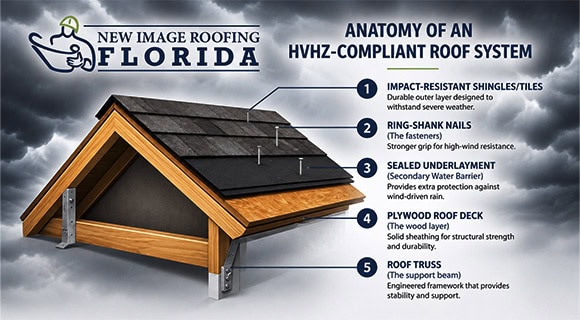
Modern Florida roofs rely on multiple protective layers working together rather than depending solely upon shingles or metal panels. Roof decking, underlayment, fasteners, flashing, ventilation, ridge systems, and roof-to-wall connections each contribute toward wind resistance and water intrusion prevention.
Roof decking uses stronger attachment methods with additional fasteners, better securing plywood or OSB panels to roof framing. Improved fastening patterns help prevent roof sheathing from lifting during extreme wind events.
Secondary water barriers provide another important adaptation. Self-adhering membranes or specially sealed underlayment systems protect homes even if roofing materials become damaged during a hurricane. This additional layer helps minimize interior water damage while allowing homeowners additional time before emergency repairs become necessary.
Roof shape also influences storm performance. Hip roofs generally perform better than gable roofs because wind travels more smoothly across all sides. Their design reduces uplift pressure that frequently damages gable-end structures.
Modern roofing materials undergo rigorous testing before receiving Florida approval. Asphalt shingles, metal roofing panels, concrete tile, clay tile, and synthetic roofing products must demonstrate resistance against high winds, impact damage, and long-term weather exposure.
Proper attic ventilation remains equally important. Balanced intake and exhaust ventilation reduce excessive attic temperatures while minimizing moisture accumulation. Better ventilation extends material lifespan while improving energy efficiency throughout the summer months.
Regular inspections remain another valuable takeaway. Even hurricane-rated roofs require periodic evaluation after severe weather. Missing fasteners, cracked sealants, damaged flashing, loose ridge caps, and lifted shingles should receive prompt attention before minor issues become major repairs.
Homeowners should also understand that installation quality often matters just as much as premium materials. Experienced roofing contractors follow manufacturer specifications and Florida building codes while documenting every step during installation. Professional workmanship maximizes warranty protection while improving long-term roof performance.
Finally, preventive maintenance offers tremendous value. Routine inspections, debris removal, minor repairs, and gutter cleaning help roofing systems perform as designed when hurricane season arrives. Small maintenance investments frequently prevent expensive emergency repairs later.
Why Florida Requires Specialized Roof Adaptations

Florida experiences more hurricane activity than nearly every other state. Building codes evolve following major storms that reveal weaknesses in older construction methods.
Current residential roofing standards focus on:
- Higher wind resistance
- Improved water intrusion protection
- Better attachment methods
- Enhanced structural connections
- Longer-lasting materials
- Increased impact resistance
- Better energy efficiency
These improvements help homeowners recover more quickly following severe weather while reducing insurance claims and structural damage.
Stronger Roof Deck Attachment

Roof decking forms a structural foundation beneath roofing materials.
Florida law requires stronger fastening schedules using additional nails or approved fasteners to better secure the decking to the roof framing.
Benefits include:
- Better uplift resistance
- Reduced structural movement
- Improved hurricane performance
- Lower chance of decking separation
Proper attachment significantly improves roof durability during powerful wind events.
Secondary Water Barriers
Even durable roofing materials can sustain storm damage.
Secondary water barriers create another protective layer beneath shingles, tile, or metal roofing.
Common systems include:
- Self-adhering waterproof membranes
- Sealed roof deck systems
- Synthetic underlayments
These barriers continue protecting interior spaces after roofing materials become compromised.
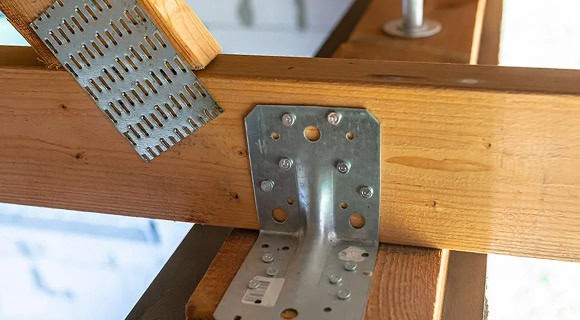
Hurricane Straps and Structural Connectors
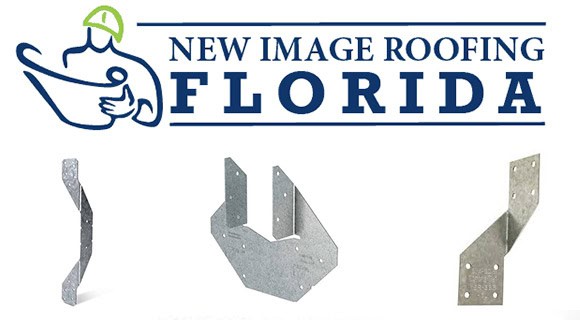
Roof failure often begins where the roof framing connects to exterior walls.
Florida building codes require metal connectors commonly called hurricane straps or hurricane clips.
These engineered connectors:
- Strengthen roof attachment
- Reduce uplift
- Improve structural continuity
- Increase overall building stability
Small metal connectors provide substantial protection during major storms.
Wind-Resistant Roofing Materials
Florida-approved roofing materials undergo extensive testing before an installation approval.
Popular residential options include:
Architectural Asphalt Shingles

Modern architectural shingles provide improved wind ratings while offering an attractive appearance and cost-effective installation.
Standing Seam Metal Roofing
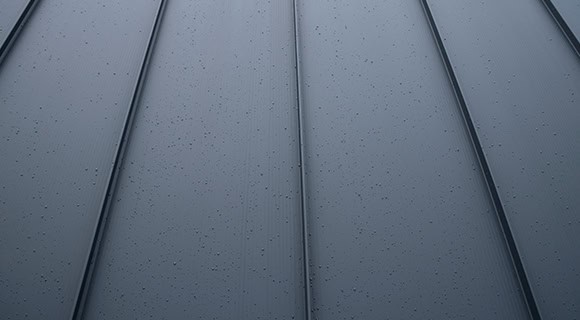
Standing seam metal roofing performs exceptionally well during hurricanes. They are exceptional at reflecting solar heat while providing excellent longevity.
Concrete Tile Roofing
Concrete tiles offer outstanding durability when properly installed with approved fastening systems.
Clay Tile Roofing
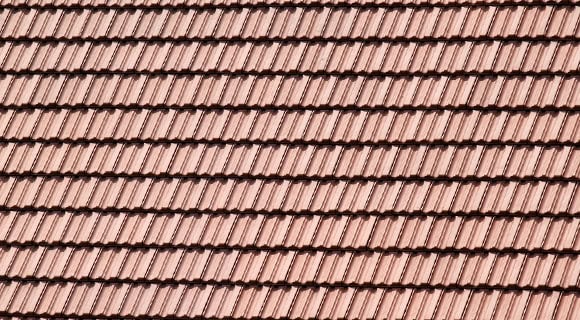
Clay tiles remain popular throughout coastal communities because they withstand heat, moisture, and salt exposure while providing timeless architectural appeal.
Roof Shape Matters
Certain roof designs naturally perform better during hurricanes.
Hip roofs remain a preferred design because wind flows more evenly across all sides.
Advantages include:
- Better wind distribution
- Less uplift pressure
- Greater structural stability
- Lower storm damage potential
Although gable roofs remain common, builders frequently reinforce these designs using additional bracing.
Enhanced Flashing Systems
Flashing protects vulnerable transitions around:
- Chimneys
- Skylights
- Roof valleys
- Plumbing vents
- Roof edges
- Dormers
Modern flashing systems use corrosion-resistant materials and improved sealing methods, reducing the potential for leaks during heavy rain.
Proper Roof Ventilation
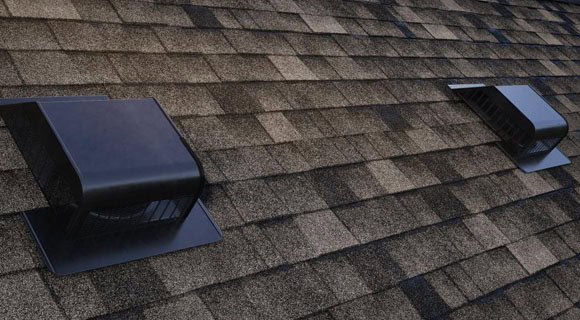
Florida’s hot climate places tremendous stress on roofing systems.
Balanced attic ventilation provides several important benefits.
These include:
- Lower attic temperatures
- Reduced moisture accumulation
- Better energy efficiency
- Longer roofing lifespan
- Improved indoor comfort
Proper ventilation also helps prevent premature aging caused by excessive heat buildup.
New Image Roofing Florida Roof Maintenance Contract
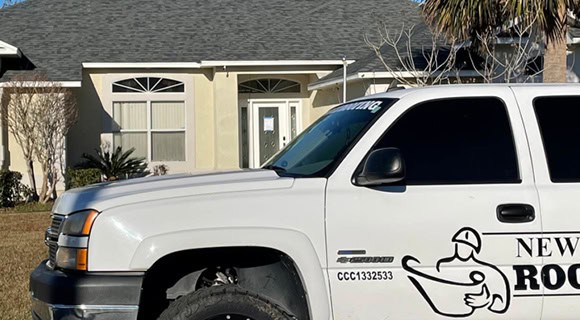
Even hurricane-rated roofing systems require regular maintenance to remain dependable. Small problems that go unnoticed often become expensive repairs after severe weather. A professional maintenance program helps identify developing issues before they threaten your home’s structural integrity.
A New Image Roofing Florida Roof Maintenance Contract provides scheduled inspections designed specifically for Florida’s demanding climate. Experienced roofing professionals examine shingles, flashing, fasteners, ridge caps, sealants, ventilation components, gutters, and roof penetrations, documenting concerns that require attention.
Routine maintenance services may include:
- Complete roof inspections
- Minor roofing repairs
- Flashing evaluations
- Sealant replacement
- Gutter cleaning
- Debris removal
- Storm damage assessments
- Preventive maintenance recommendations
This proactive approach helps maximize roof lifespan while reducing emergency repair expenses and improving long-term performance during hurricane season.
Hire New Image Roofing Florida
Choosing an experienced Florida roofing contractor makes a significant difference when protecting your home from severe weather. New Image Roofing Florida understands current Florida Building Code requirements and installs residential roofing systems designed to withstand high winds, heavy rain, and challenging coastal conditions.
Whether you need roof replacement, storm damage repairs, preventive maintenance, emergency tarping, or a professional inspection before hurricane season, New Image Roofing Florida delivers dependable workmanship using quality materials and proven installation methods.
Their experienced team focuses on protecting your investment while helping homeowners maintain code-compliant roofing systems that perform during severe weather events.
For a free roof inspection or estimate, contact New Image Roofing Florida at (352) 316-6008 or visit newimageroofingfl.com.
Florida Home Roof Requirements
Florida homes require roofing systems built specifically for hurricane conditions, high winds, intense sunlight, and heavy rainfall. This guide explained important residential roof adaptations, including stronger roof deck attachment, secondary water barriers, hurricane straps, wind-rated roofing materials, improved flashing, proper ventilation, and preventive maintenance programs that improve long-term roof performance.
Homeowners who invest in these roofing adaptations gain greater peace of mind during hurricane season while protecting their families, reducing repair costs, improving energy efficiency, and extending roof lifespan. Regular inspections and preventive maintenance further strengthen long-term performance and help identify small concerns before they become major problems.
Ignoring recommended roof adaptations and maintenance can leave a home vulnerable when severe weather strikes. Minor weaknesses can cause roof failure, water intrusion, structural damage, and mold growth, resulting in expensive repairs. Taking proactive steps today helps ensure your roof remains ready for Florida’s challenging weather tomorrow.
Wildwood, FL 34785
(352) 316-6008