Roof Storm Damage Recovery
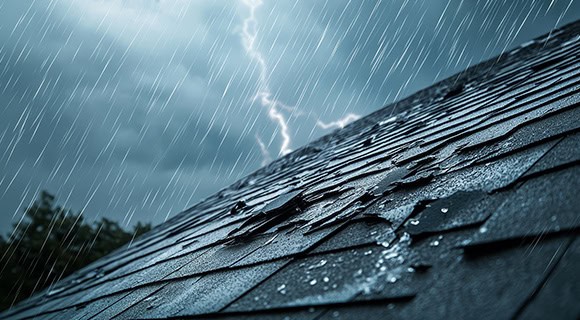
Severe storms in Central Florida can leave homeowners overwhelmed by sudden roof leaks, missing shingles, fallen debris, and interior water damage. Strong winds, hail, torrential rain, and flying debris often strike with little warning, turning a secure home into a stressful emergency situation within minutes. Many property owners are unsure how to respond after a storm or what steps are necessary to protect their property and successfully navigate insurance claims. Understanding storm damage recovery can help reduce confusion, minimize repair costs, and prevent additional structural problems.
New Image Roofing Florida gathered information about roof storm damage recovery to help homeowners understand how different roofing systems respond to severe weather and what actions should occur after a storm. This article explains common storm-related roofing damage throughout Central Florida, outlines important insurance claim procedures, and discusses how emergency tarping services from New Image Roofing Florida can help protect homes through insurance inspections and repair.
Key Takeaways for Roof Storm Damage Recovery

Roof storm damage recovery begins with quick action and proper documentation. One important takeaway is that even minor visible damage can indicate larger hidden problems beneath roofing materials. Missing shingles, dented flashing, or small leaks may allow moisture intrusion that gradually weakens decking, insulation, and structural framing.
Central Florida weather creates unique challenges for roofing systems. Hurricanes, tropical storms, hailstorms, and severe thunderstorms expose roofs to powerful wind uplift, heavy rainfall, and airborne debris. Roofing materials react differently depending on design, age, installation quality, and storm intensity. Understanding how each roofing system performs during severe weather helps homeowners recognize potential vulnerabilities before major failures occur.
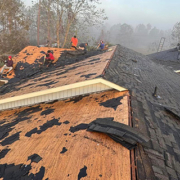
Asphalt shingle roofs remain common throughout Florida because they are affordable and relatively durable. However, strong wind gusts can loosen shingles, break adhesive seals, and expose underlayment to rainwater. Tile roofs provide durability against sunlight and heat, but may crack after impact from debris or large hail. Metal roofing systems resist wind damage more effectively than many materials but may still experience seam separation, denting, or fastener issues during intense storms. Flat roofing systems on commercial buildings often suffer drainage problems, punctures, or membrane separation after prolonged heavy rain.
Another major takeaway involves insurance claim preparation. Insurance providers typically require prompt reporting, visual evidence, and professional inspections before approving repairs. Taking photographs immediately after a storm and documenting all visible damage helps establish stronger claims. Delays in reporting damage can complicate claim approval and increase financial burden for property owners.
Temporary protective measures are also critical. Emergency tarping prevents water intrusion while inspections and repair schedules commence. New Image Roofing Florida provides emergency tarping services (designed to stabilize damaged roofing systems quickly and reduce interior damage risks).
Preventive maintenance significantly improves storm resistance. Routine inspections, flashing repairs, drainage cleaning, and replacement of aging materials strengthen roofing systems before severe weather arrives. Investing in maintenance often costs far less than emergency repairs after major storms.
Finally, professional guidance remains essential throughout recovery. Roofing professionals can identify hidden storm damage, explain repair options, and assist homeowners during insurance inspection processes. Experienced contractors help ensure repairs meet safety standards and restore roof integrity.
Types of Roofing Systems and Storm Damage Risks
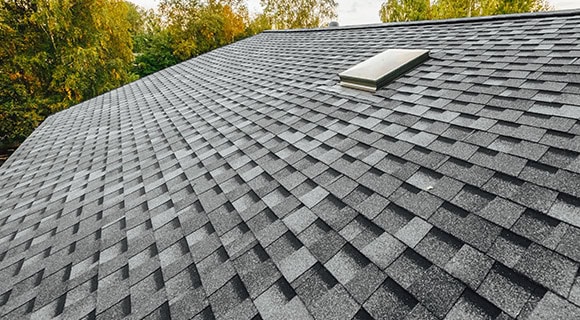
Different roofing systems respond differently to severe weather conditions common throughout Central Florida.
Asphalt Shingle Roofing
Asphalt shingles are popular because they are economical and versatile. However, high winds can lift shingles and break adhesive seals. Hail may bruise or crack surfaces, while prolonged rain can accelerate deterioration after granule loss occurs.
Common storm-related damage includes:
- Missing shingles
- Curling or lifted edges
- Granule loss
- Water intrusion beneath the underlayment
Tile Roofing Systems
Concrete and clay tile roofs provide long lifespans and excellent heat resistance. Despite durability, impact from debris or falling branches can crack tiles during storms.
Common damage includes:
- Broken or displaced tiles
- Cracked ridge caps
- Underlayment exposure
- Water penetration beneath damaged sections
Metal Roofing Systems
Metal roofing systems perform well during hurricanes because they resist wind uplift more effectively than many alternatives. However, severe hail and debris impacts can still cause cosmetic and structural issues.
Common damage includes:
- Dents from hail or debris
- Loose fasteners
- Seam separation
- Flashing damage
Flat Roofing Systems
Flat roofs are common on commercial structures and some residential properties. These systems depend heavily on proper drainage during heavy rainfall.
Common storm damage includes:
- Ponding water
- Membrane punctures
- Drain blockages
- Seam failure
What To Do After a Storm

Taking immediate action after a severe storm improves safety and helps support successful insurance claims.
Inspect Your Property Safely
Walk around the property and look for visible signs such as:
- Missing roofing materials
- Fallen branches
- Damaged gutters
- Interior ceiling stains
- Water leaks
Avoid climbing onto roofs without proper equipment and training.
Document Any Damage Thoroughly

Take clear photographs and videos showing all visible damage. Include wide-angle images and close-ups. Record dates and weather conditions related to storm activity.
Contact Your Insurance Provider
Notify your insurance company as soon as possible. Ask about claim procedures, inspection timelines, and documentation requirements.
Schedule a Professional Roof Inspection
Professional roofing inspections help identify hidden storm damage that homeowners may overlook. Inspection reports often strengthen insurance claims and help establish a clear scope for repair.
Protect Your Property With Emergency Tarping
Temporary roof coverings reduce risk for additional water intrusion while claims and repairs are processed. New Image Roofing Florida provides emergency tarping services to help stabilize damaged roofing systems quickly after storms.
New Image Roofing Florida Roof Maintenance Contract
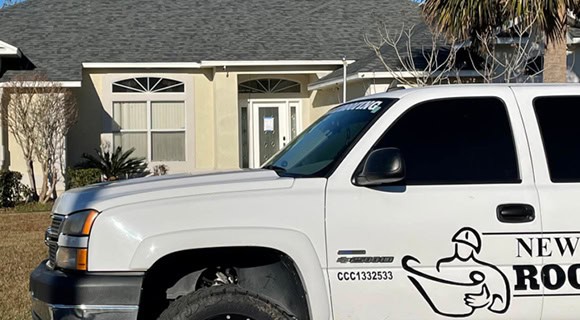
Preventive maintenance helps reduce storm-related roofing damage and extends a roof’s lifespan. New Image Roofing Florida offers roof maintenance contracts designed to identify vulnerabilities before severe weather causes major problems.
Maintenance services may include:
- Roof inspections
- Drainage cleaning
- Flashing repairs
- Sealant replacement
- Minor shingle repairs
- Debris removal
Routine maintenance improves storm readiness by strengthening roofing systems and reducing the likelihood of emergency failures. Early identification of weak areas allows homeowners to address problems before hurricane season or severe weather events arrive.
Hire New Image Roofing Florida – 352-316-6008
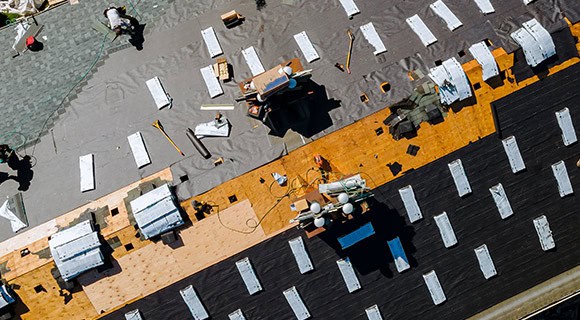
Recovering from storm damage requires experienced roofing professionals who understand Central Florida weather conditions and insurance claim processes. New Image Roofing Florida provides inspections, emergency response services, repairs, and complete roof replacement solutions for residential and commercial properties.
Professional roofing teams understand how storm systems affect roofing materials and can accurately evaluate structural integrity after severe weather. Their experience helps homeowners make informed decisions regarding repairs, insurance documentation, and long-term roofing protection.
New Image Roofing Florida also provides emergency tarping services immediately after storms to help prevent water intrusion and interior damage while repair details wrap up.
Working with trusted professionals ensures repairs are completed safely, efficiently, and according to industry standards.
Roof Storm Damage Repair or Replacement
This article explained how severe storms damage different roofing systems throughout Central Florida and what homeowners should do during recovery. You learned how asphalt shingles, tile roofs, metal roofing systems, and flat roofs respond to wind, hail, debris, and heavy rainfall. You also discovered essential insurance claim procedures, emergency tarping benefits, and preventive maintenance strategies that help reduce storm related roofing problems.
Taking proactive action after a storm helps protect your property, improve insurance claim approval, and reduce long-term repair expenses. Prompt inspections, accurate documentation, temporary protection, and professional roofing support can restore roof integrity while minimizing stress during difficult situations.
Failing to address storm damage quickly can lead to worsening leaks, mold growth, structural deterioration, insulation damage, and expensive interior repairs. Delayed action may also complicate insurance claims and increase the financial burden for homeowners already dealing with severe weather recovery.
Central, FL
(352) 316-6008